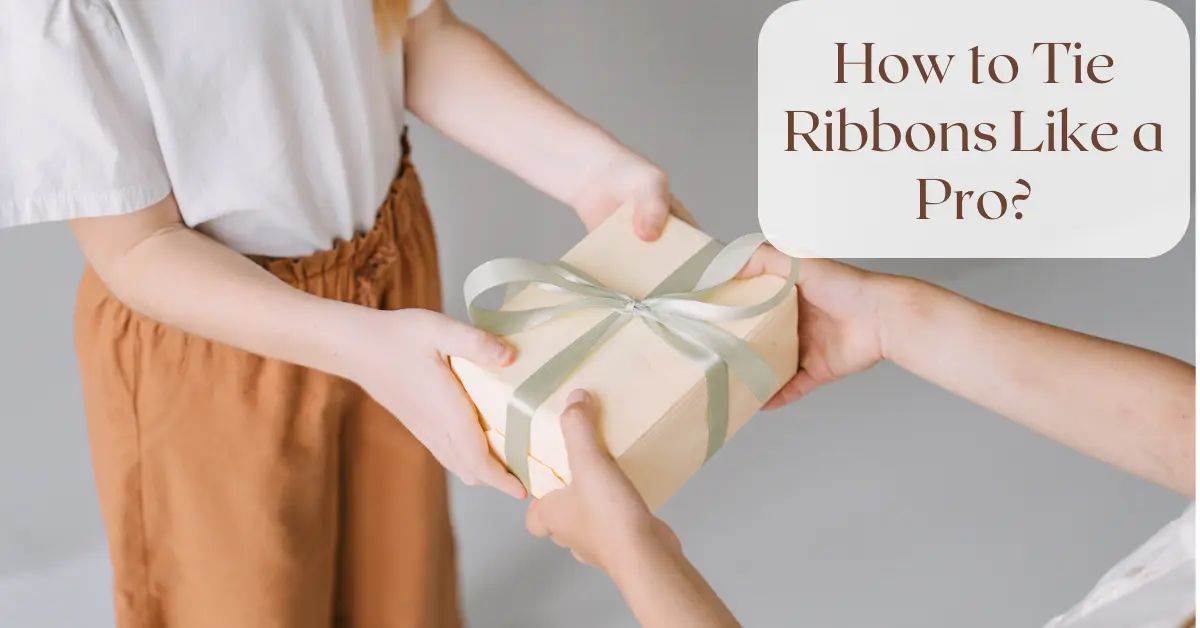
How to Tie Ribbons Like a Pro: Easy Tips for Perfect Bows
🌟 Key Takeaways
- Measure length carefully before tying bows.
- Use the classic loop method for symmetry.
- Fluff loops and trim tails neatly.
- Wired ribbons create fuller, sculpted bows.
- Seal ends to prevent fraying edges.
Premium packaging with branded or custom ribbon can increase a gift’s perceived value by up to 30%.
How to tie ribbons like a pro is more than just a finishing touch; it’s an art that transforms ordinary wrapping into a polished, eye-catching presentation.
Tie ribbons like a pro by using the classic bow method with even loops and tight tension: cross the ends, form two equal loops, cross one loop over the other, pull through, and tighten evenly.
Professional-looking ribbons rely on symmetry, firm pulls, and trimming ends at a 45-degree angle.
In this guide, you’ll discover how to choose the right satin, wired, or velvet ribbons, master step-by-step classic and advanced bow techniques to wrap a gift beautifully, troubleshoot common mistakes like frayed ends or uneven loops, and explore creative styling ideas for gifts, décor, and holiday projects.
By the end, you’ll be able to create full, symmetrical, and Instagram-worthy bows that elevate every wrapping project.
Henceforth, let’s launch into it!
Choosing the Right Ribbon: Material, Width & Texture
Here’s a detailed guide to the most popular ribbon types, their best uses, and recommended widths to help you achieve professional-looking results every time.
1. Satin Ribbon – Smooth, Elegant, and Versatile
Best for: Classic gift bows, floral arrangements, and formal events
Satin ribbons feature a smooth, glossy surface that drapes beautifully and creates graceful loops.
They are available in single-faced (shiny on one side) and double-faced (shiny on both sides) options, with double-faced satin ideal for bows where both sides are visible.
Its sleek finish creates a polished, elegant appearance perfect for photographs or high-end packaging.
Recommended widths
- 7 – 12 mm: Petite, delicate bows
- 15 – 25 mm: Classic medium-sized bows
- 30 mm+: Bold statement bows for large packages
2. Grosgrain Ribbon – Structured and Sturdy
Best for: Craft projects, layered bows, and bows that need to hold their shape
Grosgrain ribbons have a ribbed texture that prevents slipping. It allows loops to remain firm and structured. This makes them excellent for layered bows or multi-loop designs.
Its natural stiffness helps bows stay in place, maintaining symmetry and visual balance.
Recommended widths
- 12 – 25 mm: Ideal for everyday medium bows
- 38 mm or more: Creates bold, eye-catching bow
3. Wired Ribbon – Shape-Retaining and Voluminous
Best for: Holiday décor, wreaths, elaborate gift bows
Wired ribbons have thin metal wires along the edges, giving full control over shaping and fluffing loops.
They’re perfect for creating dramatic, voluminous bows that hold their form over time.
The wires allow for sculpted, long-lasting shapes. It makes them a go-to for professional presentations.
Recommended widths
- 20 – 38 mm: Versatile for most decorative bows
- 50 mm+: Statement holiday or event bows
4. Velvet Ribbon – Rich, Luxurious, and Tactile
Best for: Holiday gifts, premium packaging, and upscale décor
Velvet ribbons offer a soft, plush texture that adds a sense of luxury and depth. They work beautifully for festive bows or vintage-inspired designs.
Its lush feel communicates richness, and wider ribbons showcase the material’s full texture.
Recommended widths
- 25 – 50 mm: Perfect for full, dramatic bows on seasonal or large gifts
5. Other Notable Ribbon Types
Organza ribbon is sheer and delicate, making it perfect for layering with other ribbons to create a soft, airy look.
Metallic or decorative ribbons add sparkle and can be used for festive or celebratory bows.
Natural fiber ribbons, such as burlap or raffia, offer a rustic charm, ideal for eco-friendly or country-style wrapping.
6. Recommended Ribbon Widths by Bow Style
| Bow Style | Ideal Ribbon Width |
| Delicate/Minimalist | 6 – 12 mm |
| Everyday Gifts | 15 – 25 mm |
| Large/Dramatic Bows | 30 – 50 mm |
| Pro Tip | Varies |
Essential Tools & Preparations Before Tying
With the right tools and techniques, your ribbons will behave predictably, and your bows will look polished every time.
1. Sharp Scissors
Trim at a 45° angle for a classic pointed finish, or create a V-shaped dovetail for a decorative touch.
2. Sealing Tools
To prevent ribbon fraying, you can use several methods. Heat sealing involves lightly melting synthetic ribbons with a lighter or heat tool, but it’s best to practice on scrap ribbon first.
Clear nail polish or fray check creates a thin, invisible layer that holds fibers in place.
Fabric glue works well for delicate ribbons that could be damaged by heat.
Pinking shears cut zigzag edges that naturally resist fraying.
3. Measuring & Planning
Estimate ribbon length based on bow size:
- Simple bows: 3 – 4 feet
- Layered or voluminous bows: Add extra length to allow loop adjustment and symmetry
4. Optional Tools for Professional Results
These tools aren’t essential, but they make bow-tying faster and more precise:
- Double-sided tape
- Ribbon clamps or clips
- Twist ties or floral wire
- Ruler or measuring tape
Step‑by‑Step: How to Tie Ribbons Like a Pro?
This guide breaks down the classic bow technique into clear, actionable steps, from positioning the ribbon to shaping perfect loops.
Step 1: Measure & Position Ribbon on the Gift
The foundation of a perfect bow starts with accurate ribbon placement.
First, choose the right ribbon length. Use 3 – 4 feet for medium gifts, and add extra length for multi-loop or large bows to ensure full, even loops.
Next, wrap the gift by laying the ribbon across the top, bringing the ends under the box, and crossing them neatly.
Smooth out any twists or slack to keep the ribbon flat. Then, bring the ribbon ends back to the top and tie a light knot at the desired bow location.
This secures the ribbon and provides a base for forming loops.
A pro tip is to check that both ribbon ends are roughly equal before tying the knot, which makes creating the loops much easier.
Step 2: Form Loops & Tie the Bow
To create a classic bow, start by forming the first loop with one end of the ribbon, pinching it at the base between your thumb and forefinger.
Next, make a matching loop with the opposite end, keeping both loops the same size for symmetry.
Cross one loop over the other, tuck it underneath, and pull it through to form a snug central knot.
Gently pull on both loops to tighten, but avoid over-tightening to prevent wrinkles or crushed ribbon.
For a polished finish, adjust the loops before fully tightening the knot, as symmetry is key.
Step 3: Adjust, Fluff & Finish the Bow
To add volume, refine shape, and create a professional finish, start by gently fluffing each loop to add fullness and evenness.
Check the bow from multiple angles to ensure symmetry, adjusting loops as needed.
Trim the ribbon tails to the desired length, ideally at a 45° angle or into a V-shaped dovetail for a clean look.
For heavy or wired ribbons, you can reinforce the center with a small piece of floral wire or double-sided tape to maintain structure.
Wired ribbons are especially useful for sculpting loops, pinching and shaping each loop with your fingertips for maximum volume and effect.
Advanced Techniques for Fuller & Decorative Bows
These methods teach you how to sculpt wired ribbons, combine multiple ribbon types, and add intricate details that make every bow a centerpiece.
1. Full Fluffy Bow Technique (Wired Ribbon)
To maximize volume when making a bow, start by selecting the right ribbon.
Wired-edge ribbon works best because it holds loops and shapes better than non-wired varieties.
Begin with a foundation loop at the desired base size, as this determines the overall diameter of the bow.
Stack multiple loops by wrapping the ribbon around the foundation several times; more loops create a puffier bow.
Make sure the ends are positioned for symmetry. Secure the center tightly with floral wire or a pipe cleaner to lock the structure in place.
Finally, gently pull and twist the loops outward to create volume and balance, adjusting the inner loops first, then the outer ones for a natural fullness.
For a dramatic, professional look, aim for 6 – 8 loops per side.
2. Layered & Multi‑Ribbon Bows
To create depth, contrast, and a custom design, combine different ribbons in your bows.
Start by mixing ribbon types, pairing a wide satin or grosgrain base with a narrower patterned or textured ribbon for visual interest.
You can also stack separate bows by making a base bow and adding a smaller one.
Contrast the bow on top, securing it at the center with wire or tape.
Layering textures works well too, place stiffer ribbons inside and softer ribbons outside for structure and airy volume.
Enhance the bow with focal accents like beads, ornaments, or tassels at the center for a refined look.
For a finishing touch, vary loop sizes, keeping larger loops at the bottom and smaller ones on top, to naturally guide the eye and add dimension.
3. Creative Decorative Variations
Organza ribbon is sheer and delicate. It’s ideal for layering with other ribbons to create a soft, airy look.
Metallic or decorative ribbons add sparkle and are perfect for festive or celebratory bows.
Ribbons made from natural fibers, like burlap or raffia, provide a rustic charm, suitable for eco-friendly or country-style wrapping.
4. Boutique Bows
Boutique bows are known for their multiple loops, layered structure, and often mixed materials.
They are frequently used on special gifts, hair accessories, and seasonal décor because they stand out with visual complexity.
These bows often combine varied loop sizes and ribbon types. For example, pairing satin with organza.
Boutique bows are perfect when you want a larger, fuller, and more sophisticated look than a standard bow can provide.
5. Rosette Bows
Rosette bows mimic the form of a blooming flower, with loops arranged concentrically to resemble petals.
The technique involves folding or twisting the ribbon in a circular pattern and securing it at the center.
It results in a delicate, ornamental style often seen in bridal décor, couture accents, and soft textile embellishments.
Rosette bows bring romantic flair to fashion pieces, table décor, or wreaths.
6. Layered Bows
Layered bows are built by stacking multiple bow units, either of the same style or different styles.
According to ribbon experts, layering can involve using contrasting sizes, colors, or ribbon textures to craft a multi‑faceted focal point that’s bold and expressive.
To create a layered bow, start with a larger base bow. Add smaller bow layers on top, making sure they are aligned in the center.
Secure the layers with wire or a decorative knot, and fluff the loops to create balance and fullness.
7. Floral Bows
Floral bows take inspiration from real flower shapes, often using repeated loop assemblies that radiate outward like petals.
The technique involves creating many uniform loops, securing them tightly in the center, and fanning each loop to build a blooming effect.
These bows blur the line between ribbon craft and floral design.
It makes them beautiful choices for wedding décor, bouquet arrangements, floral installations, and stylized gift toppers.
Their layered, radiating loops create a soft, organic silhouette reminiscent of peonies or roses
Creative & Themed Ribbon Tying Ideas
From holiday bows to everyday accessories, these ideas turn simple ribbons into eye-catching design elements.
1. Holiday & Seasonal Ribbon Accents
Transform festive spaces with bows, garlands, and ribbon decorations that capture the holiday spirit.
- Garland & Mantel Bows: Wide wired ribbons create lush bows for mantels and stair garlands, adding fullness and elegance. Layer multiple bows for depth and visual richness.
- Christmas Tree Ribbon Weaving: Thread ribbons through branches or tie small bows at intervals for a balanced, decorative effect. Mix colors and textures for a polished, festive look.
- Tassel & Garland Chains: Cut ribbon strips and tie them to twine for garlands or tassels. This adds playful movement and vibrant color to parties or seasonal décor.
2. Home Décor & Everyday Creative Uses
Incorporate ribbons into furniture, fixtures, and everyday spaces for style and charm.
- Ribbon-Wrapped Lampshades: Horizontal or patterned ribbon wraps add texture and a designer touch. Satin or grosgrain ribbons diffuse light beautifully.
- Photo Wall Displays: Hang photos on ribbons using clips for a stylish, gallery-worthy display. Great for personalizing living spaces or event corners.
- Chair Sashes & Accents: Tie ribbons on chair backs, headboards, or curtain tie-backs for elegance and softness.
- Ribbon Curtains & Backdrops: Vertical ribbon strings create whimsical backdrops for parties, weddings, or creative spaces.
- Mirror & Pillow Embellishments: Add ribbon borders or small bows to mirrors or throw pillows for subtle, refined updates.
3. Fashion & Accessory Ribbon Applications
Use ribbons to enhance hair, clothing, shoes, and personal accessories.
- Hair Bows: Satin or chiffon ribbons create classic or oversized hair bows. Secure with clips or elastics for comfort and durability.
- Dress Accents: Tie ribbons at waistlines, necklines, or sleeves to elevate simple dresses with a polished, custom look.
- Shoes: Wrap lightweight ribbons around ankles or shoe straps for a feminine, chic detail. Keep loops symmetrical for a professional finish.
- Accessories: Add ribbons to handbags, bracelets, or belts to enhance texture, color, and style.
4. Wire-Edged Ribbon Techniques
Why wired ribbons create professional, sculpted bows and how to maintain structure.
- Professional Appearance: Wired ribbons hold loops and tails in place, ensuring crisp, clean bows.
- Shaping Loops: Bend the wire edges gently to fan loops outward evenly for volume and symmetry.
- Maintaining Structure: Wired ribbons retain their shape longer than traditional ribbons, perfect for décor, gifts, or fashion applications.
- Avoiding Creases: Shape loops with gentle finger pressure and work from the center outward to prevent flattening or wrinkles.
5. DIY & Personalized Ribbon Projects
Creative projects that make ribbon a centerpiece rather than an accessory.
- Ribbon Wreaths: Tie strips of ribbon around a wire frame for lush, colorful wreaths.
- Tassel Garlands: Create playful garlands from ribbon strips for parties or home décor.
- Decorative Gift Patterns: Layer or crisscross ribbons on packages for intricate, personalized designs before adding a bow.
Common Ribbon Mistakes & How to Fix Them
By understanding the most common errors and following practical fixes, you can ensure your ribbons look polished, symmetrical, and visually stunning.
1. Prevent & Fix Frayed Ribbon Ends
To keep ribbon edges neat, durable, and professional, start by sealing the edges.
Lightly use a candle flame, heat tool, or clear nail polish to prevent unraveling. This works especially well on satin, grosgrain, and delicate ribbons.
Trim ribbon ends at a 45° angle or create a dovetail “V” for a clean, decorative finish.
Store ribbons properly by rolling them on spools or keeping them loosely coiled to avoid creasing, which can lead to fraying.
For delicate ribbons, fold the end slightly before sealing to reinforce durability.
2. Correct Uneven Loops & Misaligned Tails
To ensure perfect symmetry and a professional look for your bows, adjust each loop before tying, shaping them individually to match in size and fullness.
Maintain even tension while pulling, as uneven pressure can create lopsided bows.
Align the tails by trimming them evenly or angling them consistently; staggered tails can work for layered or decorative bows, but should be intentional.
Finally, fluff and shape the loops by separating and fanning them to add volume.
3. Twist & Curl Management
To prevent ribbon from twisting or curling awkwardly while tying, always keep the decorative side facing up and twist gently if needed to maintain its orientation.
Avoid pulling the ribbon too tightly, as this can cause puckering or distorted curls.
For wired ribbons, use the wire edges to help maintain structure while shaping loops.
FAQs
1. What is the easiest way to tie ribbons like a pro?
The easiest method is the classic loop, cross, and pull technique. Start by positioning the ribbon with the decorative side up, create two equal loops, cross one over the other, and pull through the center. Adjust loops for symmetry and trim tails at a 45° angle. Using wired ribbon helps maintain fullness and shape, but even standard ribbon can look professional with careful tension and loop adjustment.
2. How do professionals make ribbon bows look perfect?
Experts focus on symmetry, volume, and clean edges. They:
- Fluff and separate each loop individually
- Maintain even tension across loops
- Use wire-edged ribbons for sculpted shapes
- Seal and trim ribbon ends for a polished finish
3. What ribbon is best for beginners?
For beginners, wired satin or grosgrain ribbons are ideal. Wired edges make shaping loops easier and help maintain structure while learning. Start with medium widths (1 – 2 inches) for manageable loops and gradual skill building.
4. How do you tie a ribbon that doesn’t come undone?
Secure the bow by
- Tying a tight central knot before forming loops
- Using a double knot or twist wire at the back for wired ribbons
- Avoiding overlong tails that can loosen loops
5. How long should the ribbon be for a bow?
Ribbon length depends on bow size and tails. As a general guide:
- Small bows: 1 – 2 feet
- Medium bows: 3 – 4 feet
- Large, layered bows: 5 – 6 feet or more
6. Can you tie ribbons like a pro without wire-edged ribbon?
Yes, non-wired ribbons can still look professional. Focus on even loops, tension control, and proper finishing techniques. Consider using double-layered ribbons for added volume, or lightly starched fabric ribbons to hold shape.
Final Thoughts
Mastering ribbon tying is all about practice, patience, and attention to detail.
Start simple with classic bows, gradually exploring layered, rosette, or floral styles as your confidence grows.
Remember, even professional-looking ribbons rely on basic principles: symmetry, proper tension, and neatly finished ends.
With consistent practice, you can create elegant bows for gifts, décor, and fashion at home.
For more inspiration and step-by-step techniques, explore our related guides on gift wrapping, decorative ribbons, and DIY bow projects!
Gift Me What – Where Every Gift Finds Its Perfect Match.