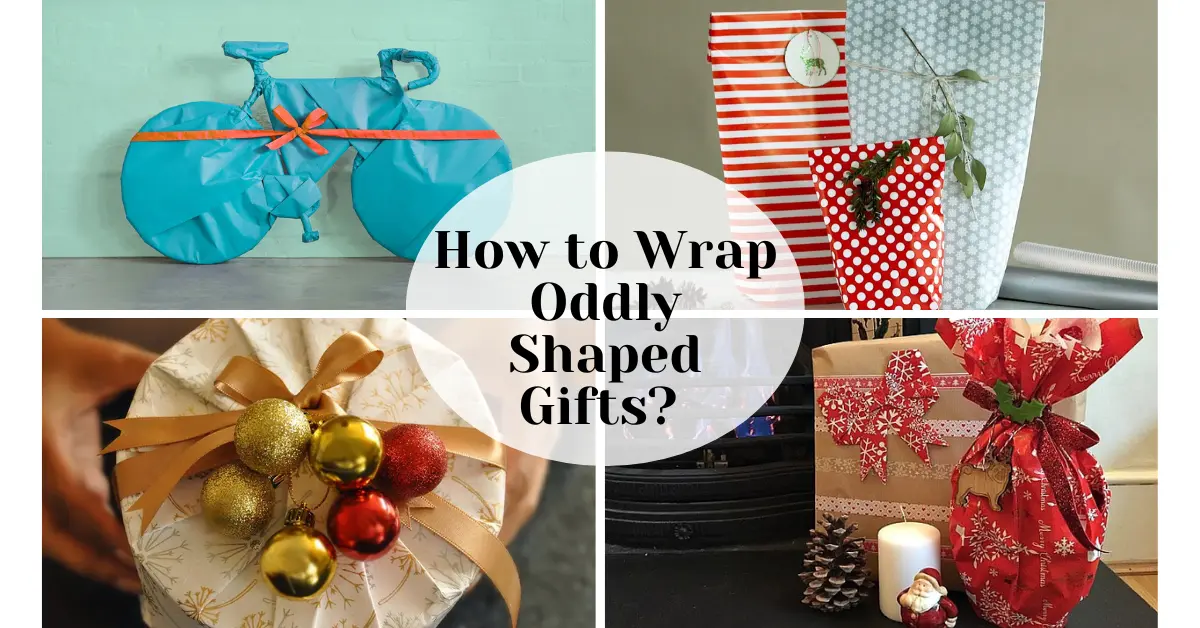
How to wrap oddly shaped gifts is one of the most common gift-wrapping challenges people face every holiday season.
Consumer packaging and retail studies consistently show that a significant portion of gifts purchased, such as bottles, soft items, toys, décor pieces, and oversized products, don’t come in neat boxes.
Yet most wrapping paper is designed for straight edges, not curves, bumps, or uneven forms, which is why wrapping irregular items often feels frustrating from the start.
The solution is simpler than it seems. Wrap oddly shaped gifts by using flexible wrapping paper, adding tissue to fill gaps, and securing folds with tape.
Start by placing the item diagonally, wrap tightly around contours, and finish with ribbons or gift bags to hide uneven edges and create a clean, presentable look.
When done correctly, these small adjustments make even the most awkward shapes look intentional rather than improvised.
In this guide, you’ll learn simple, stress-free ways to wrap oddly shaped gifts using proven techniques that actually work.
From step-by-step wrapping methods and no-box solutions to DIY gift bags, fabric wrapping options, and smart decorative finishes, this article covers everything you need to handle round, tall, soft, or irregular gifts with confidence.
By the end, you’ll know exactly how to turn challenging shapes into beautifully wrapped presents.
What Counts as an Oddly Shaped Gift?
Oddly shaped gifts are any presents that don’t sit flat in a box or obey clean, straight edges. They turn a five-minute wrap job into a frustrating puzzle.
Common examples include:
- Cylinders & rounds: wine bottles, thermoses, candles, travel mugs. These need rolling or candy-wrap techniques.
- Tall or narrow items: lamps, vases, elongated toys, poster tubes. These create an awkward height.
- Soft or floppy gifts: plush toys, clothing bundles, pillows. Without structure, these sag and create bulges.
- Irregular / multi-angle pieces: figurines, household décor with protrusions, nested items.
- Fragile or oddly weighted items: glassware, delicate ornaments, or anything with lopsided weight that shifts while wrapping.
Quick classification
| Gift Shape | Recommended Wrapping Method |
| Round / Cylindrical | Cylinder / Roll Method |
| Tall / Narrow | Sleeve or DIY Bag |
| Soft / Floppy | Internal Support + Wrap |
| Fragile | Padded & Protected Wrap |
| Eco-Friendly / Elegant | Fabric Wrapping (Furoshiki) |
Essential Supplies for Wrapping Oddly Shaped Gifts
Choosing the right tools upfront improves results, saves paper, and reduces frustration.
1. Wrapping Paper
Flexible, mid-weight gift wrapping paper is ideal because it bends around curves without tearing.
Avoid overly stiff or glossy paper for round or uneven items.
Kraft paper is a strong alternative for bulky or fragile items and pairs well with decorative accents.
2. Tissue Paper
Use it to fill gaps, smooth uneven areas, and protect fragile sections.
Crumpled tissue adds internal support for soft or floppy gifts like clothing or plush items.
It also prevents paper from collapsing into awkward dents.
3. Fabric Wraps
Fabric wraps, such as cotton scarves or Furoshiki-style cloths, work exceptionally well for unusual presents.
Fabric naturally stretches and folds around irregular shapes. Perfect for eco-friendly gifting and fragile items.
4. Ribbons & Twine
A well-placed ribbon can instantly upgrade a messy wrap. Wide ribbons help conceal uneven seams.
Twine works well for rustic or minimalist styles. A layered ribbon bow draws attention away from imperfect folds.
5. Gift Tags & Embellishments
Gift tags, dried greenery, or small ornaments aren’t just decorative. Use them to cover tape joins or bulky folds.
Tags add balance to asymmetrical gifts. Personalization increases perceived value.
6. Tape Alternatives
Traditional tape isn’t always the best option for irregular wrapping. Double-sided tape hides seams.
Washi tape adds decoration instead of distraction. Twine or fabric ties can fully replace tape for some methods.
How to Wrap Oddly Shaped Gifts Using the Box Method
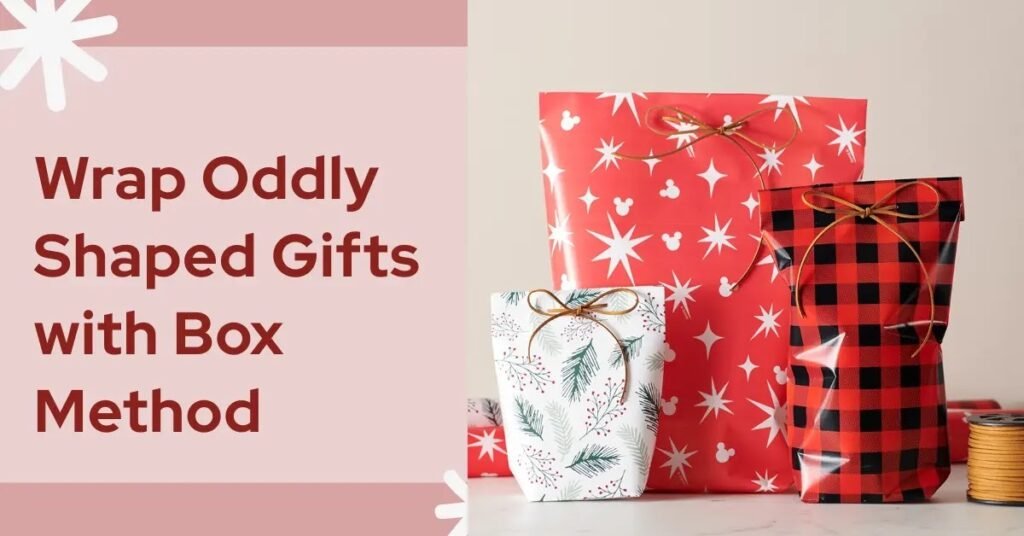
Boxing provides structure, protects fragile items, and makes wrapping far less stressful.
When to box an oddly shaped gift
- Fragile items like glassware or ornaments
- Tall, narrow, or uneven items that cannot lie flat
- Gifts that might sag, deform, or slip while wrapping
Step 1: Choosing the right box size
Select a box slightly larger than the gift, leaving space for padding. Avoid an oversized box.
Step 2: Padding and stabilizing
Use tissue, bubble wrap, or shredded paper to secure the gift inside. This prevents movement and keeps soft or irregular items steady.
Step 3:Wrapping the box neatly
Once padded, wrap the box using traditional gift-wrapping techniques. Fold crisp edges, secure with tape, and finish with ribbons or decorative bows.
How to Wrap Oddly Shaped Gifts Without a Box
Wrapping oddly shaped gifts without a box works best when the item already has a defined form and doesn’t require rigid protection.
Best Situations to Avoid Boxes
Wrapping directly without a box is ideal for
- Cylindrical or round items
- Soft or flexible items
- Tall or narrow gifts
Step-by-Step: How to Wrap Without a Box
1. Choose flexible wrapping material: Use soft wrapping paper, kraft paper, or fabric so it can mold easily around the shape.
2. Add internal support where needed: Tuck tissue paper into gaps to fill uneven spaces and prevent sagging or shifting.
3. Position the gift diagonally: Placing the gift at an angle gives you more surface area and makes it easier to cover awkward edges.
4. Wrap tightly around contours: Work slowly, smoothing the paper as you go and tucking edges neatly to maintain clean lines.
5. Secure and decorate: Finish with tape, ribbon, or twine. Decorative elements help disguise seams and elevate the final look.
How to Wrap Round Gifts (Balls, Bowls, Helmets)
Round gifts can be tricky because they resist sharp folds, but the right technique makes all the difference.
Gather-and-Twist Method
Place the gift at the center of the flexible wrapping paper. Pull the paper upward evenly from all sides, gathering it at the top. Twist gently and secure with ribbon or twine.
Pleating Technique
For a more polished finish, fold excess paper into small, even pleats around the curves. This reduces wrinkles and prevents bulky seams, creating a smoother appearance.
Using Fabric for Round Items
Fabric wrapping, especially Furoshiki-style cloth, adapts beautifully to spherical shapes. The fabric stretches and folds naturally, producing an elegant, reusable wrap with minimal effort.
How to Wrap Cylindrical Gifts (Bottles, Candles, Mugs)
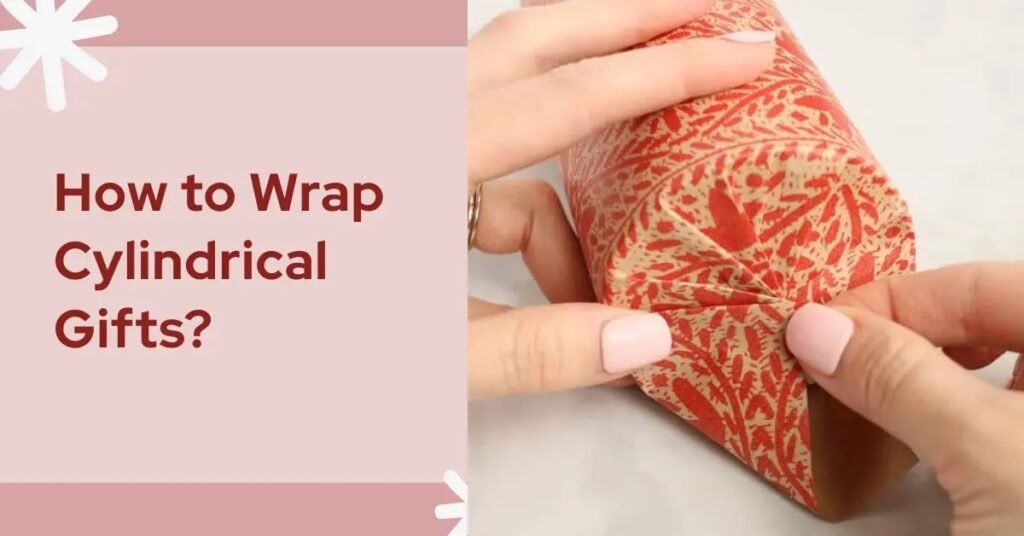
Cylindrical gifts are some of the most common and deceptively tricky items to wrap. The key is to work with the shape, not against it.
Rolling Method (Most Reliable)
Place the cylindrical item diagonally on flexible wrapping paper. Roll the paper snugly around the item until it’s fully covered.
This diagonal placement reduces excess paper and helps the wrap follow the natural curve. Fold the ends inward neatly, pressing flat to create a clean seal.
Candy-Style Wrapping (Festive & Easy)
For a decorative approach, twist both ends of the wrapped paper like a candy wrapper.
This method works beautifully for wine bottles, specialty candles, and gift sets.
Secure the twists with ribbon or twine for a polished, professional finish.
Japanese-Style Fabric Wrapping
Fabric wrapping, often inspired by traditional Japanese methods, is ideal for cylindrical gifts.
Wrap the bottle or candle in cloth, fold tightly around the shape, and tie the ends with ribbon or twine.
Ribbon Placement Tips
To elevate the final look, wrap ribbon around the center or ends to hide seams.
For bottles, placing a bow at the neck instantly creates a gift-ready presentation that feels intentional and refined.
How to Wrap Soft or Flexible Gifts (Clothing, Plush Items)
Soft gifts like clothing, blankets, and plush toys can be challenging because they lack structure.
Shaping Soft Items First
Start by folding the item neatly into a compact form.
Clothing should be folded or rolled tightly, while plush items can be gently shaped to minimize protruding areas.
Adding tissue paper helps define edges and improves overall stability.
Folding for Structure
Aim to transform soft items into a rectangular or square shape.
Rolled clothing works especially well, as it distributes bulk evenly and makes wrapping far easier.
Using Tissue Paper Layers
Layer tissue paper inside and around the gift. This fills gaps, prevents collapse, and creates a smoother surface for wrapping paper.
Tissue also adds light protection and a more polished feel.
Preventing Sagging During Wrapping
Place the gift on a flat surface and hold the edges firmly while wrapping. Avoid lifting mid-wrap, which can cause shifting.
Secure folds with tape or twine, then finish with a ribbon to reinforce the structure and add visual balance.
How to Wrap Large or Bulky Oddly Shaped Gifts
The secret is choosing the right materials and surface, then wrapping with intention rather than force.
When Wrapping Paper Isn’t Enough
Oversized gifts require durable materials that won’t tear or buckle under weight. H
Heavy-duty wrapping paper, kraft paper, or fabric wraps work best.
In some cases, a DIY gift bag or fabric wrap provides a cleaner and more stress-free solution than traditional wrapping.
Sheet Wrapping Technique (Best for Oversized Items)
Use one large, continuous sheet of kraft paper or thick wrapping paper to avoid visible seams.
Place the gift diagonally at the center to reduce excess paper. Fold the longer sides inward first, creating a straight, vertical seam, then secure the shorter ends with firm, even folds.
Using Kraft Paper Rolls
Kraft paper is a favorite among professional wrappers because it’s strong, flexible, and eco-friendly. It holds sharp folds well and resists tearing.
Tape seams neatly on the underside, then elevate the look with twine, ribbon, dried greenery, or a handwritten gift tag for a thoughtful finish.
Floor Wrapping Tips
Clear the area, smooth the paper flat, and position the gift carefully before wrapping.
Work slowly, folding in stages to avoid wrinkles and uneven edges.
Use ribbons, bows, or layered paper accents to conceal excess folds and create a balanced presentation.
DIY Gift Bag Method
The DIY gift bag method delivers a polished look without the frustration of perfect folds.
1. Measure generously: Cut wrapping paper large enough to fully cover the gift, allowing extra height for the bag’s top fold.
2. Fold into a rectangle: Bring the paper edges together to form a tall rectangle, leaving the top open. Secure the side seam with tape or glue.
3. Create the base: Flatten the bottom, fold the edges inward (like a standard paper bag), and tape securely to create a sturdy base.
4. Insert the gift: Place the gift inside, adding tissue paper if needed for support or cushioning.
5. Finish the top: Fold the top edge down or gather it closed. Add ribbon, twine, or DIY paper handles for a bag-like finish.
Fabric & Eco-Friendly Wrapping for Irregular Gifts
Fabric and eco-friendly wrapping methods are ideal for irregular gifts because they adapt to shape rather than forcing symmetry.
Japanese Furoshiki Wrapping Method
Furoshiki is a traditional Japanese gift-wrapping technique that uses a square piece of fabric to wrap items of nearly any shape.
To wrap using Furoshiki, place the gift at the center of the cloth, align it diagonally, and bring opposite corners together.
Secure the wrap with a knot or bow, adjusting tension to hug the item’s contours.
This method works beautifully for cylindrical gifts, soft items, bottles, books, and irregularly shaped presents.
Korean Wrapping Techniques
Korean gift wrapping techniques focus on precise folds and layered structure. These methods are often used for ceremonial gifts because they convey care, craftsmanship, and respect.
Rather than relying on tight knots, Korean wrapping uses measured folds and overlapping layers to build symmetry.
Fabric or paper is folded in a deliberate sequence, allowing the wrapper to control angles and edges.
This approach is especially effective for flat-but-uneven items, boxed gifts with protrusions, or asymmetrical objects.
No-Tape & Minimalist Wrapping Techniques
Minimalist wrapping techniques rely on folding tension and smart material choices rather than adhesive.
To secure wrapping without tape, fold the paper tightly around the gift, locking edges into one another through pressure and alignment.
Use twine, jute string, or fabric knots to hold everything in place.
These methods work especially well with kraft paper, fabric wraps, or thicker gift wrap.
No-tape wrapping is perfect for
- Eco-friendly and low-waste gifting
- Last-minute wrapping situations
- Minimalist or rustic presentation styles
Common Mistakes When Wrapping Oddly Shaped Gifts
Even thoughtful wrappers can struggle with awkward shapes. Avoiding these common mistakes makes a noticeable difference in the final presentation:
- Over-tight wrapping
- Using too much paper
- Ignoring decorative balance
- Skipping padding for soft or fragile items
FAQs
1. How do you wrap an oddly shaped gift neatly?
Use flexible paper, tissue for gaps, and follow shape-specific techniques like cylinder rolling or DIY bags.
2. Is it better to use a box for oddly shaped gifts?
Boxes offer structure and protection for fragile or soft items, but aren’t always necessary.
3. What’s the easiest way to wrap awkward gifts?
For beginners: diagonal placement, loose wrap, and ribbons to conceal imperfections.
4. How do you wrap gifts without wasting paper?
Use minimal cuts, fold excess neatly, or use fabric wraps and DIY gift bags to reduce waste.
5. Can fabric replace wrapping paper for odd shapes?
Yes. Furoshiki or scarves work beautifully for cylinders, soft items, and irregular gifts, adding elegance and reusability.
Conclusion
Wrapping oddly shaped gifts doesn’t have to feel frustrating or overwhelming.
You can use fabric wraps for flexibility, add structure with tissue paper, choose a DIY gift bag, or follow simple minimalist methods.
The key is working with the shape, not against it, and letting creativity guide the process.
A thoughtfully wrapped gift always feels more personal, more memorable, and more meaningful.
Gift Me What – Where Every Gift Finds Its Perfect Match.