

According to gift-giving research, up to 15% of people report being unhappy with the gifts they receive, and about 25% end up regifting them because they don’t truly like them.
This makes understanding how do you know if someone will like your gift more than just guesswork.
It’s a mix of behavioral psychology, subtle cues, and practical observation techniques.
The trick is simple: observe their interests, notice what they use daily, and pay attention to past reactions to similar items.
Matching gifts to hobbies, favorite colors, or everyday needs can make a big difference in how excited they’ll be.
In this guide, we reveal psychology-backed signs of delight, including facial expressions, body language, vocal cues, and pre-gifting strategies.
You’ll also learn how to handle gifts that might miss the mark and avoid common mistakes.
Therefore, let’s jump right in.
How to Know If Someone Will Like Your Gift Before You Buy It
Focus on patterns in behavior, lifestyle, and subtle cues to select items that align with their true preferences.
1. Observe Their Interests, Habits, and Current Needs
Look at daily routines, hobbies, and lifestyle choices. Items they use often or activities they enjoy point to gift categories they will appreciate.
2. Use Social Listening: What They Like, Post, Save, or Follow
Observe what they post, like, save, or follow on Instagram, TikTok, or Pinterest.
These cues reveal interests and trending preferences that might not come up in conversation.
3. Ask Friends, Family, or Partners for Insight
People close to the recipient often know hidden likes or current wishlists. Consulting them reduces the risk of a mismatch and ensures your gift is thoughtful and relevant.
5. Subtle Testing: Show Similar Items for Reaction
Casually present similar items and observe reactions without pressure.
Excitement, repeated comments, or lingering interest can indicate true preferences.
Key Psychological Signs Someone Truly Likes Your Gift
You can tell if someone genuinely likes a gift by observing their facial expressions, body language, and voice.
Paying attention to these signals helps you gauge true delight, avoid misreading polite responses, and understand how your gift resonates emotionally.
1. Facial Expressions
A real smile, called a Duchenne smile, involves both the mouth and the eyes.
Look for eye crinkles and raised cheeks. Quick eyebrow lifts, widened eyes, or a subtle jaw drop also signal genuine happiness.
If the smile reaches only the mouth or looks stiff, the reaction may be polite rather than heartfelt.
2. Body Language Indicators
Leaning forward, hugging the gift, or holding it close shows enthusiasm. Showing the gift to others or physically displaying it can also indicate delight.
Conversely, crossed arms, minimal movement, or stepping back often signal disinterest or polite detachment.
3. Vocal Cues
A rising pitch, spontaneous exclamations, or lively laughter typically reflect authentic excitement.
Watch for quick speech, gasps of surprise, or repeated phrases of joy. Flat or monotonous responses often mean the reaction is polite rather than genuine.
Behavioral Signs When Someone Doesn’t Like Your Gift (But Is Being Polite)
These hidden reactions appear in subtle cues, facial expressions, body movements, and minimal engagement.
1. Facial Microexpressions That Reveal Discomfort
Watch for tight lips, wrinkled noses, or smiles that don’t reach the eyes.
These brief facial cues indicate that the recipient may be hiding disappointment rather than enjoying the gift.
2. Disengaged Body Language and Quick Distancing
If someone puts the gift aside quickly, avoids touching it, or maintains a stiff or closed posture, it often signals disengagement.
Scientific Principles Behind Gift-Reaction Psychology
Gift reactions are shaped by emotional triggers, cognitive expectations, and social norms.
Emotional psychology and behavioral science reveal why certain gifts delight more than others.
1. The Role of Emotional Expectations
If a gift meets or exceeds expectations, it triggers stronger positive emotions.
If it falls short, reactions are muted, even if the gift is thoughtful.
2. Why Surprise Enhances Positive Reactions
Unexpected gifts stimulate reward circuits in the brain, which release dopamine and create pleasure.
Novelty makes gifts more memorable and generates stronger emotional responses than predictable presents.
Small surprises aligned with the recipient’s tastes can make a big difference.
3. Reciprocity Norms and Social Behavior
Receiving a gift often triggers reciprocal social behavior.
People tend to respond positively out of gratitude or social expectation, even if the gift is only moderately liked.
How Personality Type Influences What Gifts They’ll Love
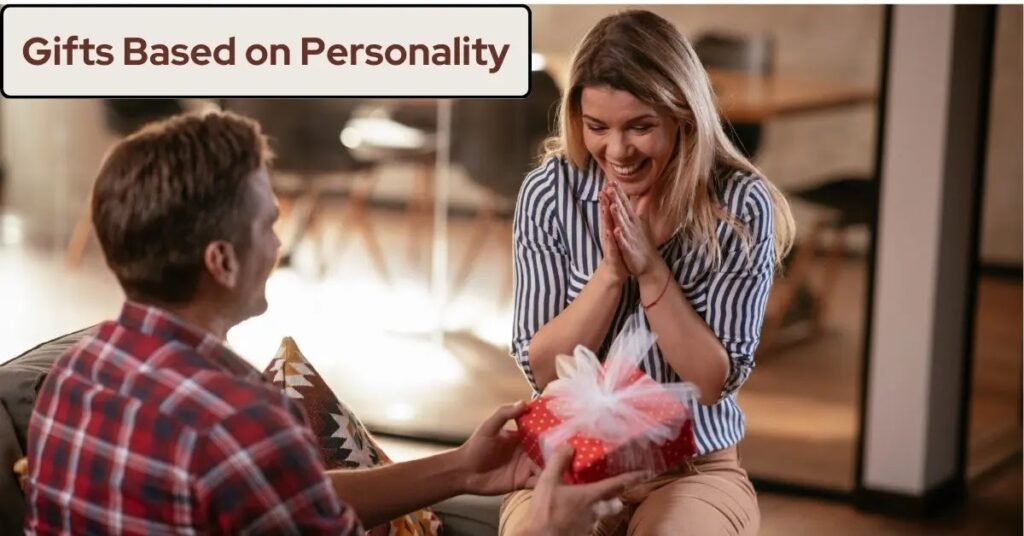
Understanding their preferences, habits, and core traits helps you select items that feel meaningful and thoughtful.
1. Gifts for Sentimental People
Sentimental individuals value emotional meaning over price or novelty. Gifts that evoke memories or celebrate relationships resonate most.
Examples include custom photo albums, engraved keepsakes, or handwritten letters.
2. Gifts for Minimalists
Practical or multipurpose items with a clean design appeal to them.
Think high-quality notebooks, sleek gadgets, or experience-based gifts rather than decorative objects. Avoid excess.
3. Gifts for Practical Thinkers
Practical thinkers enjoy gifts that solve problems or add tangible value.
Examples include kitchen gadgets, planners, or tech accessories that simplify daily tasks.
4. Gifts for Hobby-Focused People
Hobby-focused individuals respond best to items that enhance their favorite activities.
Observing their passions, like sports, cooking, or gaming, guides your choice. Examples include specialty equipment, class subscriptions, or curated hobby supplies.
5. Gifts for Creative Personalities
Creative personalities appreciate gifts that stimulate imagination and self-expression.
Art supplies, DIY kits, musical instruments, or writing tools often delight.
What to Do If You Think They Won’t Like the Gift
Providing options ensures they feel appreciated and keeps the experience positive.
1. Offer a Gift Receipt or Return Option
Include a gift receipt or highlight the store’s return policy. Say something like, “Here’s a receipt in case you want a different size or style.”
This gives them gifting flexibility and removes pressure while keeping the gesture thoughtful.
2. Suggest Swaps or Replacements
Frame exchanges as a personal choice. For example: “Feel free to swap this for something you’d like more.”
This presents an alternative option without making the recipient feel uncomfortable or guilty.
3. Reframe the Gift as Thoughtful Effort
Shift focus to the intent behind the gift rather than the item itself. Emphasize that you wanted to make them happy.
Highlighting thoughtfulness softens disappointment and maintains a positive connection.
What to Do If You’re Still Not Sure They’ll Like Your Gift
When uncertainty remains, focus on safe, versatile, and flexible gift options. This ensures the recipient feels appreciated while minimizing the risk of disappointment.
1. Play It Safe With Universal Gifts
Choose items that appeal to most people.
High-quality candles, gourmet chocolates, or premium stationery are practical, widely liked, and reduce the chance of the gift being unwanted.
2. Choose Experience-Based Gifts
Options like spa vouchers, concert tickets, cooking classes, or travel experiences offer meaningful and adaptable alternatives.
3. Give a Gift Receipt
Including a gift receipt or mentioning the return policy gives the recipient the option to swap or replace the gift comfortably.
4. Pair a Small Gift With Something Personalized
Combine a low-risk gift with a personalized touch.
For example, a handwritten note, custom mug, or engraved keychain makes the gift feel thoughtful while keeping the main item safe.
Common Mistakes People Make When Predicting Gift Preferences
Understanding common errors helps you select presents that are meaningful, appreciated, and less likely to disappoint.
1. Assuming Trends Reflect Personal Taste
Just because an item is popular doesn’t mean the recipient will like it.
Focus on their individual interests, habits, and past preferences rather than following what’s trending or fashionable.
2. Projecting Your Own Preferences
Selecting gifts based on what you like can backfire.
People often have different tastes, priorities, or hobbies. Observe and listen to the recipient to guide your choices.
3. Relying on Stereotypes or Generalizations
Avoid assumptions based on gender, age, or cultural norms.
Not all women want jewelry, and not all men want gadgets. Base gifts on personal insights, not societal stereotypes.
4. Ignoring Past Reactions or Feedback
Keep track of likes, dislikes, and subtle cues to improve future gift selection. Small adjustments make a big difference.
Frequently Asked Questions
1. How do you know if someone liked your Christmas gift?
Look for genuine emotional cues: smiles that crinkle the eyes, animated body language, and spontaneous verbal reactions. Holding, trying, or showing off the gift often signals real appreciation.
2. Can you tell if someone is faking excitement?
Yes, you can tell if someone is faking excitement. It often includes forced smiles, stiff body posture, lack of eye crinkles, or overly polite verbal responses.
3. Why do people pretend to like gifts?
People often mask disappointment to be polite, avoid awkwardness, or maintain social harmony. Observing this helps you interpret reactions more accurately and respond gracefully.
4. How do I avoid giving a gift they won’t like?
Observe interests, habits, and past reactions. Use social cues, ask friends or family, or gently test similar items. Tailoring gifts to personal preferences increases the chance of delight.
5. Is it okay to ask someone directly what they want?
Yes, it’s okay to directly ask someone what they want. Directly asking or using wishlists is practical, especially for important occasions. It ensures the gift matches their tastes and needs without guessing.
6. Should I give a gift even if I’m unsure?
Yes, with a thoughtful approach. Choose universal items, experience-based gifts, or add a personalized touch. Including flexible options helps maintain appreciation even if the gift is uncertain.
7. Do personalized gifts work better?
Often, yes, personalized gifts do work better. Gifts that reflect the recipient’s personality, interests, or shared memories feel more meaningful and show care, increasing emotional impact.
Bottom Line
Now you know how do you know if someone will like your gift, even when you’re unsure or worried about picking the right present.
By paying attention to behavioral and emotional cues, like smiles, body language, and vocal reactions, you can gauge genuine excitement.
Considering personality types, whether they are sentimental, practical, or creative, helps you choose gifts that truly resonate.
Avoid common pitfalls, such as relying on trends, stereotypes, or your own preferences, and focus instead on thoughtful, practical, and personalized gifts that match their hobbies, needs, and interests.
When in doubt, pick something meaningful, useful, or personalized, as these options almost always bring joy.
Gift-giving doesn’t have to be stressful; by observing, listening, and considering their personality, you increase the chances of giving something they genuinely love.
Gift Me What – Where Every Gift Finds Its Perfect Match.