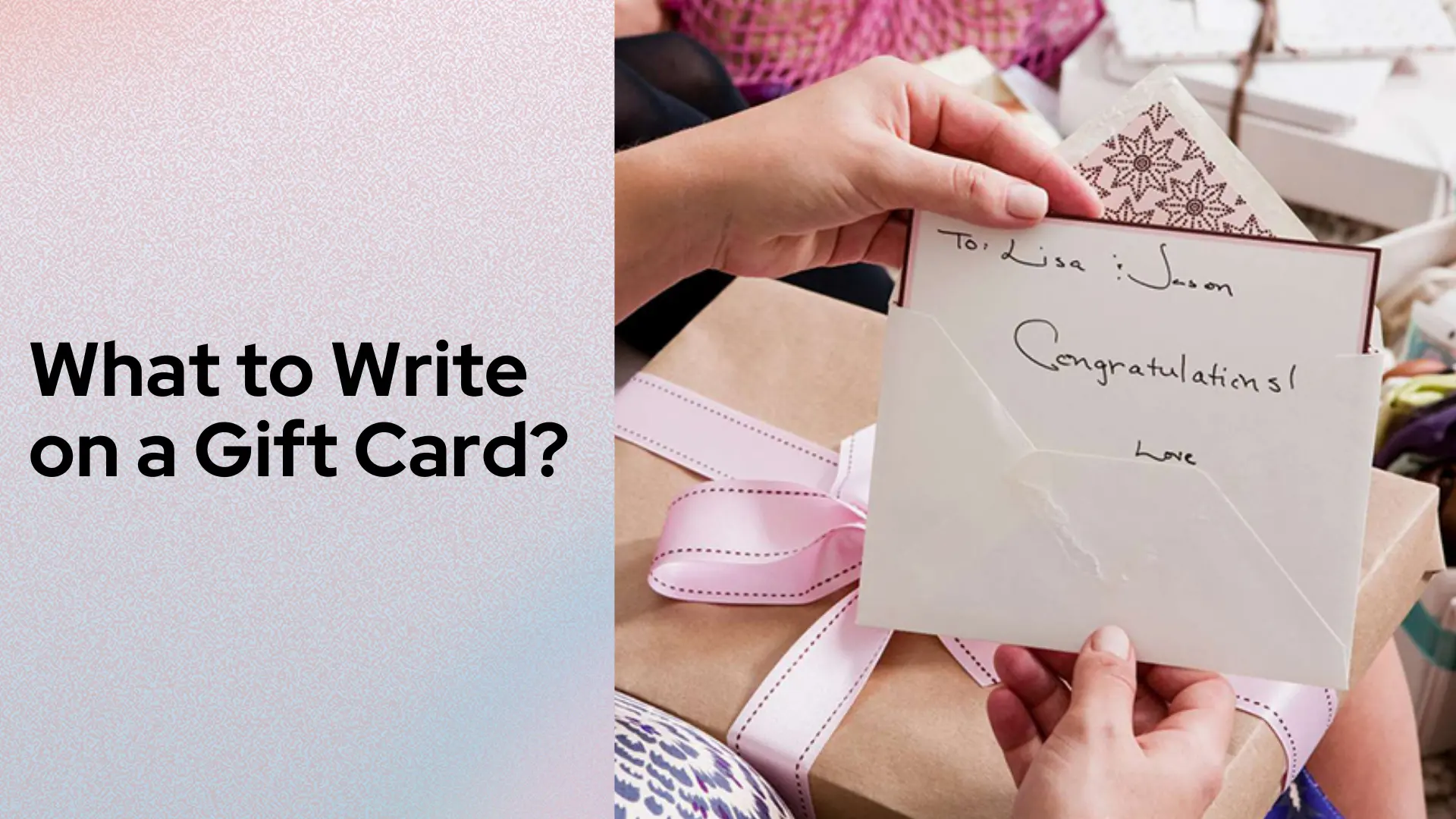
Did you know that most people feel uncertain about what to write on a gift card, often leaving it blank or filling it with a generic note?
Whether it’s for a birthday, wedding, baby shower, holiday, or even a “just because” gesture, knowing what to write on a gift card ensures your gift feels thoughtful, memorable, and heartfelt.
Always include the recipient’s name and a clear sentiment, such as “Enjoy this, thinking of you today.”
Many struggle because they want to be sincere without being too wordy, humorous without offending, and personal without overstepping.
That’s why this guide covers everything from essential writing tips and tone advice to occasion-specific examples, including birthdays, weddings, baby gifts, thank-you notes, holiday greetings, and sympathy messages.
By the end, you’ll have a collection of creative, concise, and meaningful gift card messages guaranteed to delight any recipient and make your gift truly stand out.
Hence, here’s everything you need to know!
Gift Card Writing Fundamentals
The best messages reflect genuine emotion, suit the occasion, and speak directly to the recipient.
By following these fundamentals, you can transform a small note into a meaningful part of your gift.
1. Personalize Your Message
A message feels memorable when it is personalized to the recipient.
Mention a shared memory, a quality you admire, or a reason why you chose the gift. Personalization shows thoughtfulness and makes the recipient feel valued.
Example: “Dear Sarah, your creativity inspires me every day. Enjoy this little treat, thinking of you today!”
2. Match the Right Tone
Use heartfelt words for significant milestones or sympathy messages. Choose warm and cheerful language for birthdays, holidays, and celebrations.
Lighthearted or humorous notes work well for close friends who enjoy playful messages. As a pro tip, when in doubt, it’s safer and more meaningful to choose sincerity over humor.
3. Keep It Concise
Gift cards have limited space. Aim for 3 – 5 clear sentences that express your sentiment without overloading the card.
Short, focused messages often leave a stronger impression than long, rambling notes.
4. Structure Your Message Effectively
Start with a warm greeting, such as “Dear [Name],” or “To my favorite cousin.”
In the body, share your main message, including your wishes, gratitude, or encouragement.
End with a thoughtful closing, like “With love” or “Best wishes.”
5. Adjust Length to Suit the Occasion
For significant milestones like weddings or graduations, slightly longer messages help convey depth.
For casual celebrations or small gestures, short, sweet, and cheerful notes are best.
6. Avoid Clichés
Classic phrases like “Congrats!” or “Best wishes!” are fine, but try to add original touches in your own voice.
Authenticity makes the message stand out and strengthens the emotional impact.
7. Proofread Before Sending
Even a small typo can detract from an otherwise perfect message.
Take a moment to check spelling, punctuation, and names; it shows care and attention to detail.
Core Structure for Every Gift Card Message
By following this framework, Greeting + Occasion + Personal Touch + Wish + Closing. You can craft messages that feel intentional and leave a lasting impression.
1. Greeting: Start With a Warm Connection
Open your card with a greeting that addresses the recipient directly.
Using their name instantly makes your note feel personal and sets a friendly, welcoming tone.
Examples
- “Dear [Name],”
- “To my wonderful friend,”
- “Hey [Name]!”
2. Occasion: Acknowledge the Reason for the Gift
Recognizing the event, birthday, wedding, baby shower, holiday, or milestone adds context and demonstrates thoughtfulness.
Examples
- “Happy Birthday! Wishing you a day full of joy.”
- “Congratulations on your new home!”
- “Thinking of you during this special holiday season.”
3. Personal Touch: Make It Meaningful
This could be a shared memory, a unique compliment, or something you know will resonate with them.
Personal touches transform a generic card into a keepsake moment.
Examples
- “I’ll never forget our hiking trip last summer – hope this gift brings a smile as that day did!”
- “Your creativity always inspires me; enjoy this little treat!”
4. Wish or Sentiment: Express Your Core Message
Now, communicate the main sentiment: gratitude, congratulations, encouragement, or celebration. Keep it concise but heartfelt.
Examples
- “I hope this helps you pick something you love!”
- “Wishing you endless joy and success in this next chapter.”
- “May this gift bring a little extra happiness to your day.”
5. Closing: End With a Warm Sign-Off
Finish with a sign-off that reinforces your tone and leaves a lasting impression. Pair it with your name for authenticity.
Common Closings
- With love,
- Warm wishes,
- Thinking of you always,
- Best regards,
Template in Action
Dear Maya,
Happy Birthday! I’m so grateful for all the laughter and wisdom you bring into my life. I hope this gift card helps you pick out something you truly love. You deserve it!
With love,
Emma.
Gift Card Messages by Occasion
From birthdays to weddings, baby milestones, holidays, thank-you gestures, or moments of comfort, these curated examples inspire writing messages that feel personal, sincere, and memorable.
1. Birthday Gift Card Messages
Keep the tone cheerful and personalized. Mention the recipient’s age milestone, personality, or passions if appropriate.
Examples
- “Happy Birthday! Treat yourself – you deserve all the joy today.”
- “Cheers to another amazing year – make it unforgettable!”
- “Hope this gift brings you smiles and something you truly love.”
- “Wishing you laughter, adventure, and all the happiness in the world.”
2. Wedding Gift Card Messages
Include congratulations, future wishes, and optional light humor. Focus on love, teamwork, and happiness.
Examples
- “Wishing you lifelong happiness as you begin this beautiful journey together.”
- “Cheers to love, laughter, and happily ever after.”
- “May your life together be filled with endless joy.”
- “For the happy couple – may today and every day be full of love.”
3. Baby Shower Gift Card Messages
Blend joy, family anticipation, and lighthearted touches. Reference the upcoming arrival to make it personal.
Examples
- “A little one on the way – tiny toes and big dreams ahead!”
- “Can’t wait to meet your newest little love.”
- “Wishing your family endless joy and unforgettable memories.”
- “Little feet, big hearts – congratulations to you both!”
4. New Baby / Baby Gift Card Messages
Focus on the baby’s arrival, family joy, and future happiness. Keep it tender and meaningful.
Examples
- “Your little one is a precious gift – welcome to the world!”
- “Wishing your family endless love and laughter.”
- “May every coo and cuddle bring you joy.”
- “Congratulations on your beautiful new baby – your heart just got bigger!”
5. Thank You Gift Card Messages
Keep the message sincere and highlight the impact of the recipient’s kindness.
Examples
- “Thank you so much for your kindness and support – it means the world to me.”
- “Your generosity made my day – thank you!”
- “I appreciate you more than words can say.”
- “Thanks for being there – your support truly matters.”
6. Holiday Gift Card Messages
Mention the specific holiday, highlight joy, togetherness, and positivity.
Examples
- “Wishing you peace, joy, and love this holiday season.”
- “Happy holidays – may your days be merry and bright!”
- “Warm wishes for a joyful Christmas and a wonderful New Year!”
- “Sending festive cheer and heartfelt happiness your way.”
7. Sympathy & Comfort Gift Card Messages
Use gentle, respectful language. Focus on support, understanding, and comfort.
Examples
- “Thinking of you during this difficult time.”
- “May memories bring you peace and comfort.”
- “I’m here for you – sending strength and caring thoughts.”
- “My heart goes out to you – please know I care.”
How to Personalize Your Gift Card Message
Using thoughtful details, from the recipient’s name to inside jokes, shared experiences, and genuine compliments, creates a message that resonates long after the gift is received.
1. Use the Recipient’s Name
Addressing someone by name immediately makes your message feel personal and intentional.
Even a short note feels warm and directed rather than generic.
Example
- “Happy Birthday, Sarah! So glad we can celebrate together.”
2. Recall Shared Memories or Moments
Mentioning a shared experience instantly strengthens emotional connection.
A memory demonstrates thoughtfulness and reminds the recipient of your bond.
Examples
- “Remember our beach trip last summer? I’m grateful for every laugh we shared.”
- “Thinking of our late-night coffee chats – you always brighten my day.”
3. Include Inside Jokes or Unique References
Playful inside jokes or references that only you two understand make a card feel intimate and special. This adds personality and humor when appropriate.
Example
- “Here’s to more ‘pineapple pizza debates’ – your weird preferences make you awesome!”
4. Highlight Their Unique Qualities
Compliments on personality traits, achievements, or values show you notice and appreciate the person.
Examples
- “Your kindness inspires everyone around you.”
- “I admire your determination and positivity.”
5. Express Genuine Emotion
Don’t be afraid to show gratitude, love, encouragement, or pride. Authentic emotion resonates more than perfect phrasing.
Example
- “I’m so grateful for your support – it means more than words can say.”
6. Match Tone to Your Relationship
Your tone should reflect how well you know the recipient.
A casual, playful tone suits close friends; a more formal tone works for colleagues or mentors.
Examples
- Formal: “Wishing you continued success and happiness.”
- Casual: “You’re the best, enjoy this treat!”
7. Consider Handwriting When Possible
A handwritten message shows intentional effort and adds warmth that typed text often lacks. Even a brief handwritten note can make a big impact.
Choosing the Right Tone for Your Gift Card Message
Selecting the right style ensures your message feels thoughtful, appropriate, and memorable.
1. Formal Messages
Best for professional relationships, mentors, or distant acquaintances.
Key Guidelines
- Use polite, respectful language
- Focus on appreciation, congratulations, or well-wishes
- Avoid humor unless subtle and safe
Examples
- “Wishing you continued success and happiness in all your endeavors.”
- “Congratulations on your promotion – your dedication is inspiring.”
2. Casual Messages
Perfect for friends, family, or informal occasions.
Key Guidelines
- Use the recipient’s name or nickname
- Include shared experiences or light personal touches
- Keep the tone friendly, approachable, and authentic
Examples
- “Hey Jamie! Enjoy this little treat – you’ve earned it!”
- “Can’t wait for our next adventure together. Hope this brings a smile!”
3. Humorous Messages
Use humor to make your message fun and memorable, but only when appropriate.
Key Guidelines
- Keep humor positive and lighthearted
- Tie jokes to shared experiences or traits
- Pair humor with a short, sincere note if needed
Examples
- “Here’s a gift card – because you deserve something better than socks again!”
- “Another year older, wiser… but mostly just older. Happy Birthday!”
Common Mistakes to Avoid in Gift Card Messages
Focus on clarity, personalization, and brevity.
1. Overly Generic Messages
Avoid messages like “Happy Birthday! Enjoy!”
Add personal touches, shared memories, or a specific wish.
Better Example
- “Happy Birthday, Alex! Hope this gift helps you celebrate in style this weekend.”
2. Long or Overly Detailed Notes
Too much text can overwhelm small cards and lose focus.
Tip: Highlight one or two meaningful points. Keep it concise.
Better Example
- “Thank you for always being such a supportive friend. Enjoy a little treat on me!”
3. Impersonal or Irrelevant Messages
Avoid generic wording that could apply to anyone.
Tip: Include the recipient’s name, reference your relationship, or mention the occasion.
Better Example
- “Sarah, I know you’ve been working hard lately. Hope this helps you unwind and enjoy a treat!”
FAQs
1. What do you say on a gift card?
Start with a greeting, mention the reason for gifting, and add a personal touch such as a shared memory, compliment, or well-wish. Even a simple phrase like “Thinking of you, enjoy this little treat!” can make a meaningful impact.
2. What is a good message for a gift card?
A good gift card message is heartfelt, concise, and appropriate for the recipient and occasion. For example:
- Birthday: “Happy Birthday, Emma! Treat yourself – you deserve it.”
- Thank You: “Thanks for your support – it means the world to me.”
- New Home: “Congratulations on your new home! Wishing you happiness and cozy moments.”
3. What to write on a gift card when you don’t know the person well?
If you’re not familiar with the recipient, keep the message polite, neutral, and friendly. Avoid overly personal references. Examples:
- “Wishing you all the best – enjoy this gift!”
- “A little something to brighten your day – hope you enjoy it!”
4. Can you keep gift card messages simple?
Absolutely. Short messages often feel the most genuine, especially on small cards. A single line expressing your sentiment is effective: “Thinking of you today, enjoy this treat!”
5. Are funny gift card messages appropriate?
Light, playful jokes or inside references work best. Avoid sarcasm or anything that could be misunderstood. Example: “Here’s a gift card, because socks again seemed cruel!”
Conclusion
By personalizing your note with the recipient’s name, shared memories, or a heartfelt sentiment, you can turn even a small card into a meaningful keepsake.
Whether you choose a formal, casual, or humorous tone, the key is sincerity and thoughtfulness.
Remember, short, genuine messages often leave the biggest impact.
Taking a few moments to craft a personalized message shows you care, strengthens connections, and adds lasting value to your gift.
Gift Me What – Where Every Gift Finds Its Perfect Match.